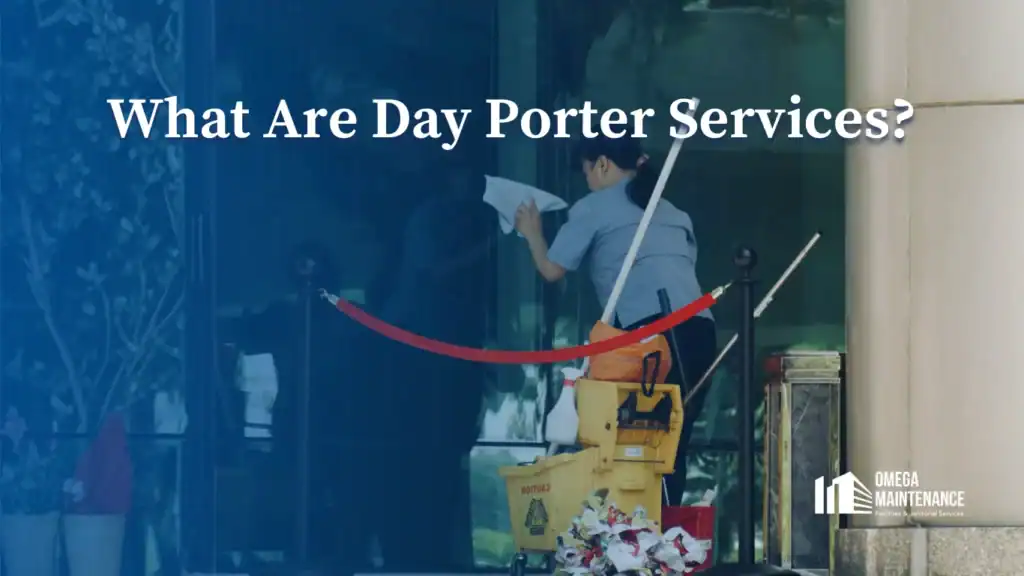
Day Porter Services: What They Do & Why You Need Them
There’s something I’ve learned after nearly three decades in this industry: most people don’t notice cleaning when it’s done right—but they always notice when it’s not. I’m Ana Liranzo, and I’ve spent the last 28 years building and leading cleaning and facility service companies, from Semper Fi Cleaning Systems, Inc. to Omega Maintenance Corp. I’ve worked inside hospitals, corporate offices, schools, and emergency sites where cleanliness wasn’t just about appearance—it was about safety, trust, and sometimes even life and death. And if there’s one service that consistently surprises business owners when they finally understand its value, it’s the day porter service. Most people think cleaning happens at night. But in reality, buildings are “living environments” during the day—constantly changing, constantly being used, and constantly needing support from a reliable commercial cleaning service. That’s where day porters come in. In today’s environment, commercial cleaning isn’t just about after-hours work—it’s about maintaining standards while your business is fully operating. Let me walk you through what this service really is, how it works in real life, and why it often becomes the quiet backbone of a well-run facility. More importantly, I’ll help you understand how it can keep your facility consistently presentable without interrupting your daily operations. Key Takeaways: 1. Day Porters Maintain Cleanliness Throughout the Day They keep your facility clean, safe, and presentable while business is actively running—not just after hours. 2. Small Issues Can Impact Customer Perception Restrooms, trash bins, and spills may seem minor, but they strongly influence how people view your business. 3. The Best Approach Is Proactive, Not Reactive Day porter services prevent problems before they happen, ensuring consistency and a better overall experience. What a Day Porter Really Is (Beyond the Definition) At its simplest, a day porter is a trained cleaning professional who works during business hours to maintain cleanliness, safety, and order in a facility. But that definition doesn’t capture what I’ve seen in the field. A day porter is not just a cleaner. They are a real-time problem solver for your building’s appearance and hygiene. In many cases, they also support light disinfection services and routine cleaning, helping maintain a higher standard of hygiene throughout the day. In practice, their duty goes far beyond basic cleaning—it is about maintaining the daily experience of the entire facility while it is actively in use. They are the person who: Wipes the lobby glass five minutes before a client walks in Handles a spill before it becomes a safety hazard—whether that means a quick mop or immediate cleanup Restocks a restroom before guests complain, while also keeping it clean, sanitized, and properly maintained Disinfects high-touch surfaces like elevator buttons and door handles to reduce the spread of germs throughout the day Keeps high-traffic areas from ever looking “neglected” through continuous upkeep and attention to detail What a Day Porter is NOT? I still remember one of my early clients—a mid-sized corporate office in New Jersey. They had nightly cleaning, but by noon each day, the building already looked tired. Trash bins were overflowing, restrooms weren’t holding up, and reception staff were constantly apologizing to visitors. When we introduced a day porter, the facility manager called me two weeks later and said something I’ll never forget: “For the first time, I’m not embarrassed when I walk through my own lobby at 2 PM.” That’s the real value of this service. It’s not just cleaning. It’s reputation maintenance in real time. How Day Porter Services Work in Real Life A day porter works inside your facility during operating hours—usually aligned with peak traffic times. Unlike janitorial crews that come after everyone leaves, day porters are constantly moving through the building, responding to what’s happening in the moment. In most of our contracts, we customize the day porter’s workflow based on the building’s traffic, layout, and operational needs. We structure their day like this: They begin by doing a thorough assessment of the cleaning service needs, identifying areas that already need attention. From there, their role shifts fluidly throughout the day—there’s no “fixed checklist” because buildings are unpredictable. No two facilities are the same, which is why a one-size-fits-all approach rarely works in professional cleaning environments. Daily Day Porter Workflow Some hours are calm. Others are chaotic. And that’s exactly the point. I often tell clients this: A building doesn’t get dirty on a schedule, so why should cleaning only happen on one? That’s why we design a service plan that includes daytime cleaning, ensuring your workplace stays consistently clean and presentable throughout the day—not just after hours. The Real Responsibilities of a Day Porter People sometimes assume day porters just “tidy up”. But in practice, their responsibilities are much broader and more dynamic. Let me break down the typical duties of a day porter the way I explain it to clients and new facility managers. 1. Keeping High-Traffic Areas Presentable These high-traffic common areas—like lobbies, hallways, and elevators—are often the first spaces people notice, and the quickest to show signs of neglect. I once walked into a commercial building where everything looked perfect at 8 AM. By 11 AM, fingerprints covered the glass doors, and the trash bins near the entrance were already overflowing. It wasn’t neglect. It was volume. A day porter’s job is to prevent that “decline curve” from ever being noticeable. This includes removing visible dust, smudges, and buildup that can quickly make even a well-maintained space feel neglected. 2. Restroom Monitoring and Maintenance If there’s one area that defines how people feel about a facility, it’s the restroom. I’ve had business owners tell me, “Everything else is fine, but people keep complaining about the bathrooms.” What they usually don’t realize is that restrooms in high-traffic environments can deteriorate within 1–2 hours of cleaning. This is where consistent restroom upkeep becomes critical. A day porter continuously checks and maintains: Soap dispensers and paper towel refills to ensure nothing runs empty during peak hours Toilet paper levels in all stalls, especially high-use restrooms near lobbies