

Floor restoration is a critical aspect of maintaining a safe and efficient working environment, especially in industrial settings. When a Jackson, NJ HVAC company faced a potential three-week shutdown due to damaged floors, the need for an efficient and comprehensive solution became paramount.
This article explores how strategic floor restoration not only averted a costly shutdown but also enhanced operational efficiency and workplace safety.
Key Takeaways:
- Avoid costly downtime with phased floor restoration.
Strategic scheduling and segmented work allowed the HVAC facility to stay operational—eliminating the need for a full 3-week shutdown. - Damaged floors directly reduce HVAC efficiency.
Cracks, dust, and uneven surfaces disrupt airflow, damage equipment, and slow operations—making restoration essential, not optional. - Timely restoration saves money and improves safety.
Early repairs prevent major damage, reduce slip risks, and extend floor lifespan—delivering long-term operational and cost benefits.
Understanding the Importance of Floor Restoration
The Impact of Floor Condition on HVAC Operations
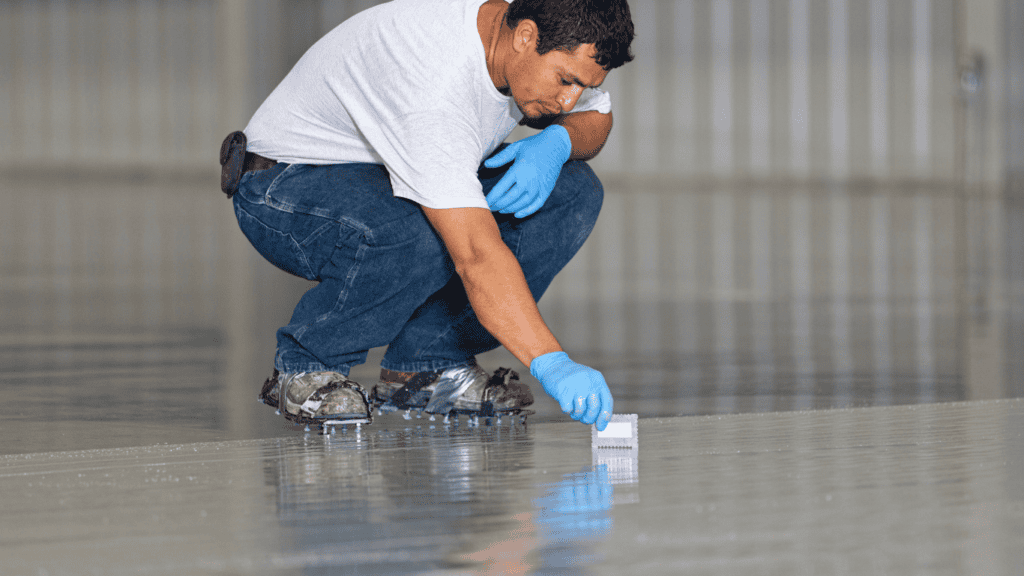
Maintaining clean floors in industrial settings is crucial, with cleanliness affecting several aspects of the operation. These include:
- Worker safety, reducing the risks of slips and falls.
- A healthier work environment by minimizing dust and allergens.
Furthermore, regular floor maintenance preserves the integrity of the flooring itself.
The Impact of Floor Condition on HVAC Operations
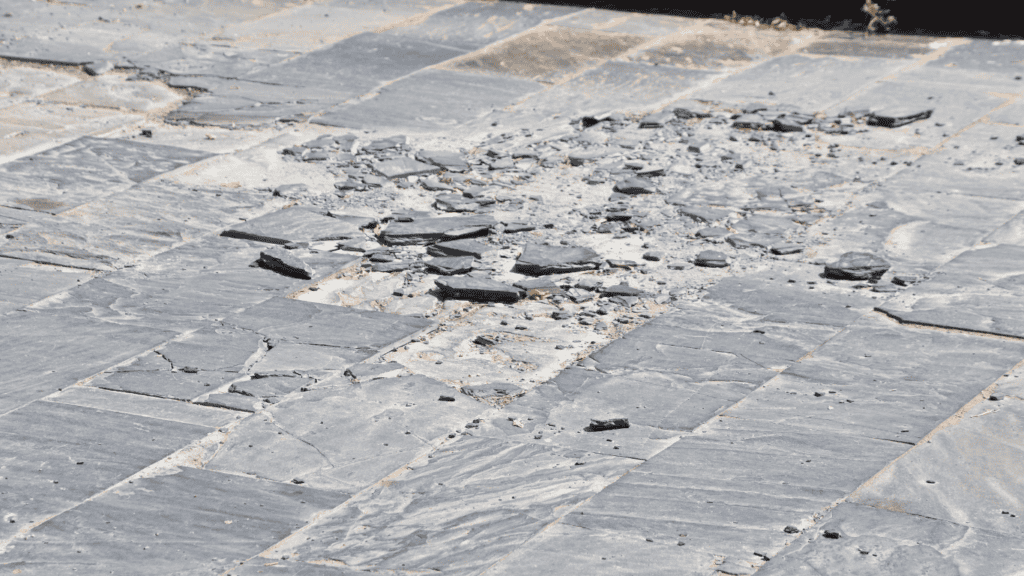
The condition of floors significantly impacts HVAC operations. Damaged floors can create dust and debris that circulate through the HVAC system, reducing its efficiency and potentially causing breakdowns. Cracks and uneven surfaces can also make it difficult to move equipment and materials, slowing down production.
Floor restoration addresses these issues, ensuring a stable and clean surface that supports smooth and efficient HVAC operations. This also enhances the durability of the floor, which can face heavy foot traffic.
Benefits of Timely Floor Restoration
Timely floor restoration offers numerous benefits, including:
- Preventing further damage to the floor surface, avoiding more costly repairs down the line.
- Contributing to the overall safety and efficiency of operations, ensuring a stable and durable floor.
Restoring floors also enhances the aesthetic appeal of the workspace, creating a more professional and pleasant environment for employees and visitors.
Types of Floors in HVAC Facilities
Concrete Floors: Durability and Maintenance
Concrete floors are frequently chosen in HVAC facilities due to their remarkable durability and ability to withstand heavy foot traffic. Proper maintenance is crucial to ensure their longevity and structural integrity.
Regular cleaning helps remove dirt, soil, and grime, preventing the accumulation of dust that can affect air quality and the performance of HVAC equipment.
Applying a protective coat can further enhance the surface’s resistance to stains and chemical exposure, making it easier to maintain a clean and stable environment.
Hardwood Floors: Aesthetic and Practical Considerations
While not as common in heavy industrial areas, hardwood floors can be found in office or reception areas within HVAC facilities. Their aesthetic appeal offers a professional look, but they require careful consideration.
Regular maintenance is essential to prevent damage from spills and foot traffic. Addressing any damaged floor promptly is vital to avoid costly repairs. Although less durable than concrete in such settings, choosing high-quality, durable hardwood floors and implementing a strict cleaning schedule can help minimize wear and tear.
Tile and Natural Stone: Choosing the Right Surface
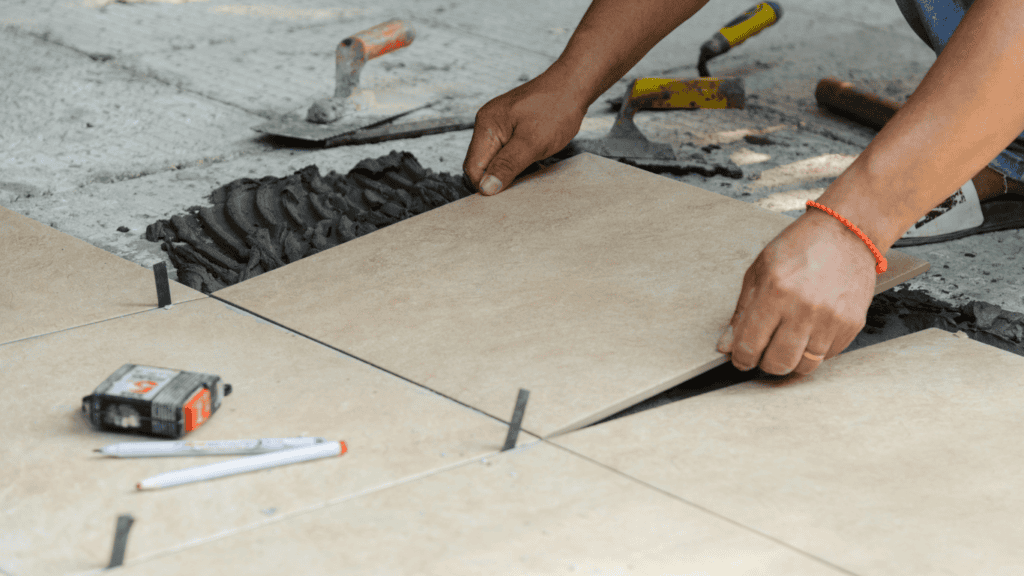
Tile and natural stone options like marble offer a blend of aesthetics and functionality suitable for specific areas within HVAC facilities. These materials are easy to clean and maintain, providing a durable surface that resists stains and moisture.
Selecting the right type of tile or natural stone depends on the specific needs of the area; for instance, non-slip tile is ideal for areas prone to spills. Regular surface care and prompt repair of any damage are crucial to maintaining their appearance and structural integrity.
Common Challenges in Floor Restoration
Scheduling Restoration Without Disruption
One of the foremost challenges in floor restoration is scheduling the work to minimize disruption to ongoing operations. Many facilities cannot afford extended downtime, making it crucial to plan the restoration process efficiently. This often involves working in phases or during off-peak hours to ensure that critical processes can continue.
A comprehensive understanding of the facility’s operational schedule is essential to devising a restoration plan that is both effective and non-intrusive.
Handling Different Floor Materials
Different floor materials require different restoration techniques. Concrete floors, for example, may need grinding and repair to address cracks and unevenness, while hardwood floors may require sanding and refinishing.
Tile and natural stone floors each have their own specific cleaning and maintenance needs. Understanding the unique properties of each material is vital for selecting the appropriate methods and products to restore the floor to its original condition, enhancing durability and appearance.
Cleaning Techniques for Effective Restoration
Effective cleaning techniques are fundamental to successful floor restoration. The initial step often involves a comprehensive cleaning process, which tackles several common issues:
- The full removal of dirt, soil, grime, and debris that has accumulated over time.
- Addressing stubborn stains and residues, often requiring specialized cleaners and equipment.
The choice of cleaning method must be appropriate for the floor material to avoid damage. Thorough cleaning not only prepares the surface for further restoration but also improves overall cleanliness and safety.
Case Study: The Jackson HVAC Company's Approach
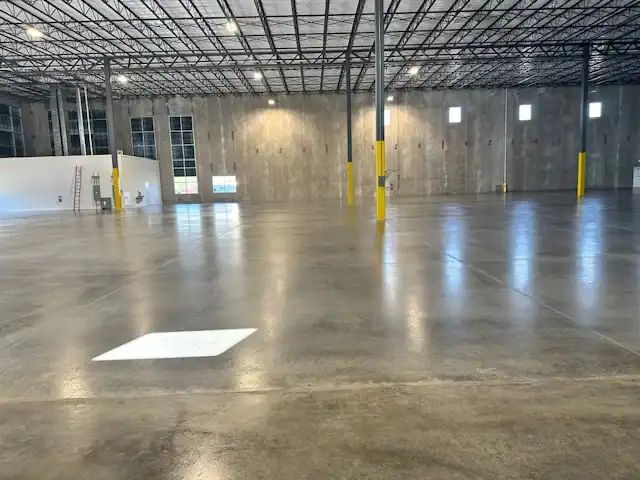
The Restoration Process Implemented
Our floor restoration approach to Rylee Mechanical HVAC company involved a phased strategy that began with a thorough evaluation of the damaged floor areas. The initial phase focused on cleaning and repair, addressing cracks and uneven surfaces with epoxy mortar.
Once the repairs were made, a primer was applied to prepare the surface for a protective coat. The final step included applying a topcoat to enhance durability and resistance to stains and chemical exposure.
Efficient Scheduling and Execution
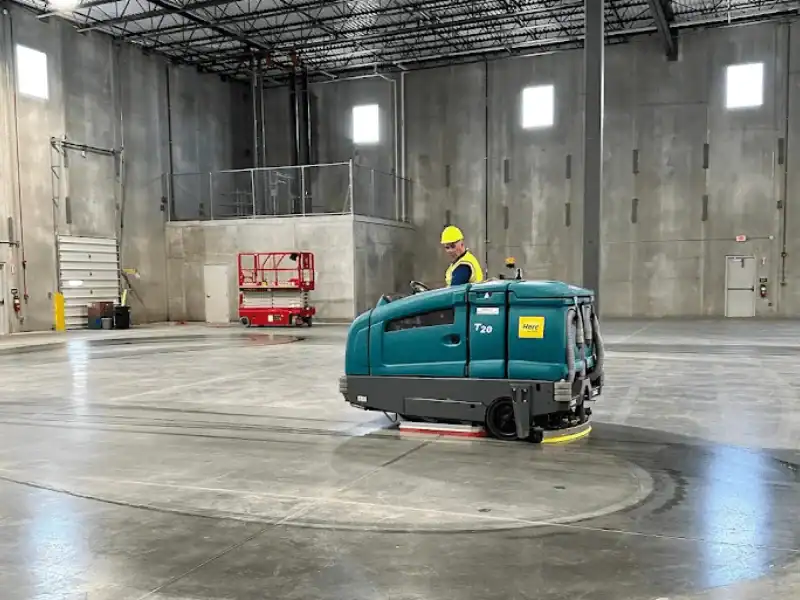
To avoid a prolonged shutdown, the company implemented a meticulously planned schedule that minimized disruption to operations. The floor restoration work was strategically divided into smaller segments, allowing the technician to work on specific areas while the rest of the facility remained operational.
Coordination was key, ensuring that the equipment and materials were ready when needed, and the restoration team worked efficiently to complete each segment within the allotted time.
Results Achieved and Lessons Learned
The floor restoration project at the Jackson HVAC company successfully averted a three-week shutdown, thanks to attention to detail and years of experience. The company now benefits from enhanced operational efficiency, improved workplace safety, and a more professional appearance.
The key lesson learned was the importance of proactive maintenance and timely repair to prevent costly and disruptive downtimes. Investing in quality materials and skilled labor can save significant time and money in the long run.
Conclusion
Floor restoration plays a vital role in keeping industrial facilities efficient, safe, and fully operational. By addressing damaged surfaces early, implementing a phased restoration strategy, and using the right techniques for each flooring type, the Jackson, NJ HVAC company successfully avoided a costly three-week shutdown while improving overall performance.
This case highlights how proactive maintenance and smart planning don’t just fix problems—they protect productivity, people, and profits. In the end, investing in timely floor restoration isn’t just maintenance—it’s a strategic decision that keeps your business moving forward without interruption.
Frequently Asked Questions
1. How can floor restoration prevent a facility shutdown?
2. Why is floor condition important for HVAC facilities?
Damaged floors create dust and debris that circulate through HVAC systems, reducing efficiency, increasing wear, and risking equipment failure.
3. What is the best flooring type for HVAC facilities?
Concrete floors are the most common due to their durability, low maintenance, and ability to withstand heavy equipment and high traffic.
4. How long does industrial floor restoration take?
The timeline depends on the damage and size of the facility, but phased restoration can significantly reduce downtime and keep operations running.
5. What are the benefits of timely floor restoration?
Timely restoration improves safety, prevents costly repairs, extends floor lifespan, and enhances overall operational efficiency.